About
Ejike Ezejelue
African E-commerce Entrepreneur & Business Builder
I build and operate e-commerce businesses across African markets. For more than five years I have worked hands-on in marketplace e-commerce, product discovery, operations, sourcing and expansion, first in Nigeria and then in Kenya.
This is the story of how that experience was built: not as a CV, but as a series of things I tried, learned from and kept building on.
The journey
From a campus marketplace to e-commerce across African markets
University of Benin
Where it started
My journey into e-commerce started long before I called it e-commerce. As a student at the University of Benin, I became the person other students came to when they wanted to sell something. Someone had a phone to sell? They gave it to me. I would take it around the hostels, find interested buyers, negotiate the deal and earn a commission. Before long, I was also helping people find the products they wanted to buy.
Campus marketplace
June12.net
I realised there was a bigger opportunity: instead of manually connecting every buyer and seller, why not create a place where students could find each other themselves? That led me to create June12.net, a campus marketplace where students could list products and buyers could discover and contact sellers directly. We ran it for about two years, reaching nearly 1,000 student users and more than 400 listings. It was not yet a profitable business, but it taught me how people discover products, how demand moves and what it takes to create activity around a platform.
2019
Shopify and social selling
My first Shopify store was where I began experimenting with direct-to-consumer selling, using Facebook and Instagram advertising to find early customers. It was my first real lesson in paying to reach customers, and in how quickly a product either finds demand or does not.
2020 onwards
Into the marketplaces
I entered the Nigerian marketplace ecosystem, selling across Jumia, Konga, Jiji and other platforms. Early products included baby toys, water dispensers and Christmas hampers, sourced directly from markets like Balogun and CMS/Jakara.

Amary Nigeria
Learning through real operations
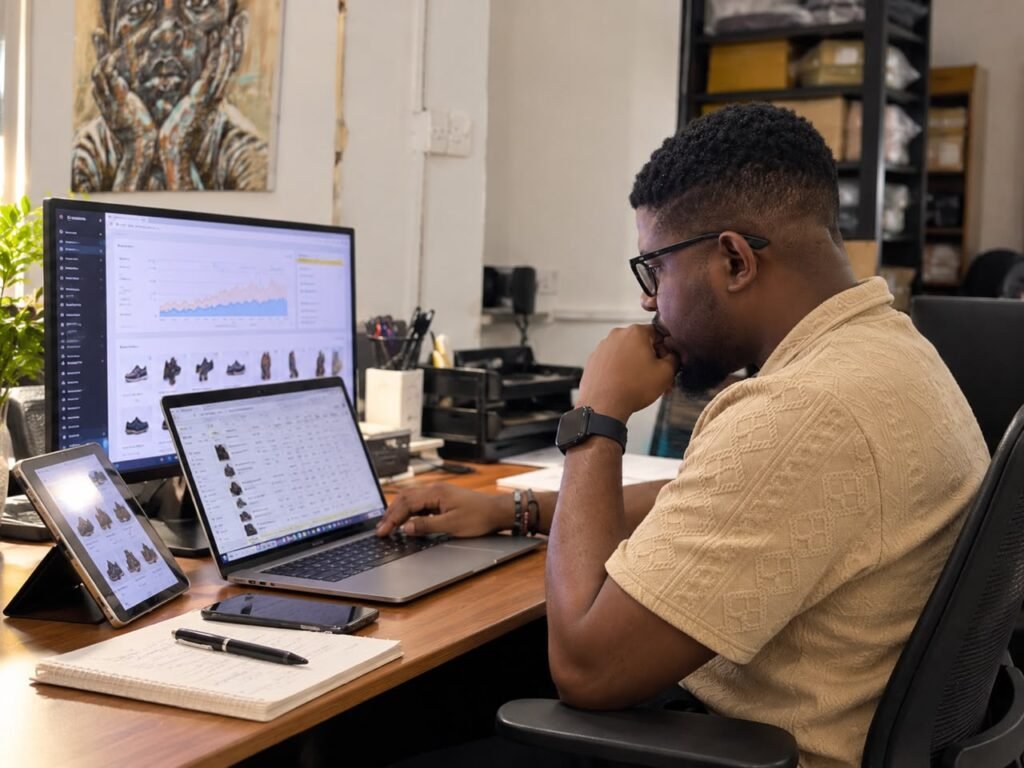
Building Amary Nigeria became my real-world classroom for what it takes to run e-commerce at scale. I moved beyond simply making sales to understanding the systems behind them: product discovery, marketplace visibility, pricing, inventory, fulfilment, customer experience and building a team that could run it.
Operations
What scale teaches you
At small scale, you can personally solve many problems. As orders grow, that becomes the bottleneck. Building in Nigeria taught me that e-commerce is not just about putting products online; it is about understanding the market and building the systems that consistently turn demand into orders.
China
Going to the source
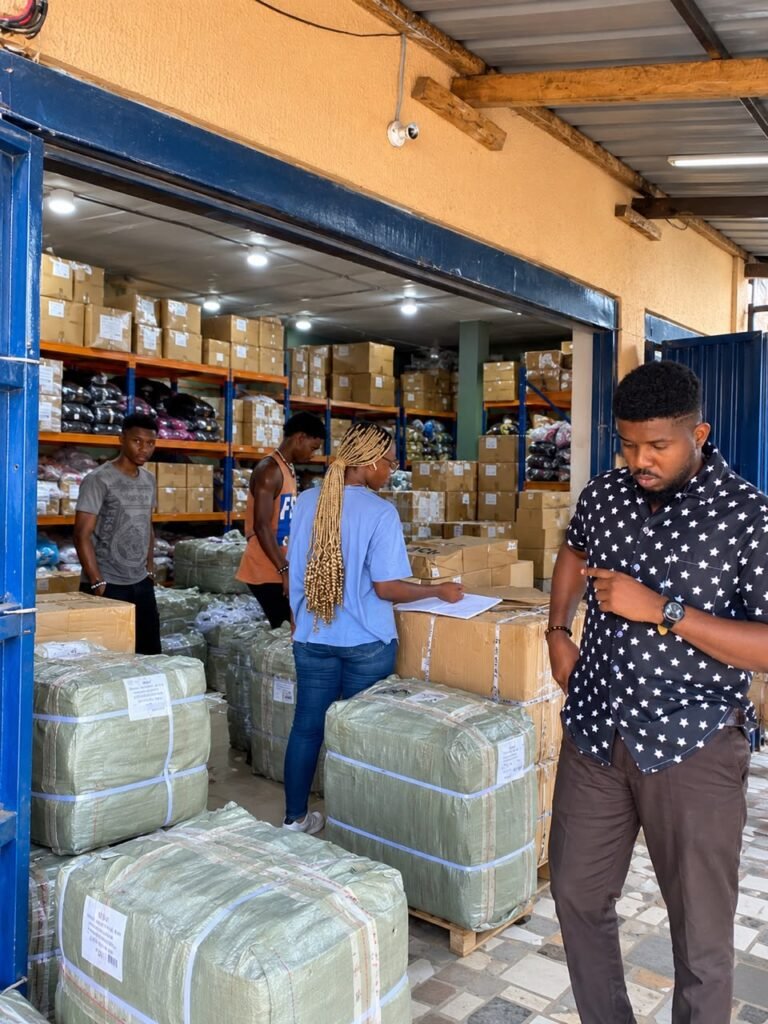
Direct sourcing from China gave me first-hand exposure to suppliers, factories and markets: how products are made, how negotiations work, and what it takes to build supplier relationships that hold up across shipments and seasons.
Kenya
A second African market
With a proven model in Nigeria, the next step was testing it elsewhere. Kenya introduced new marketplaces, a different consumer and different ways of doing business, from accounting and administration to how customers buy. It taught me that every market has to be learned on its own terms.
What comes next
Still building
I am continuing to build e-commerce businesses that respond to what African consumers actually need, and to share what operating them has taught me along the way.
I am always glad to connect with business owners and operators, international companies exploring African markets, manufacturers and suppliers, investors and strategic partners who share an interest in the growth of e-commerce across Africa.